
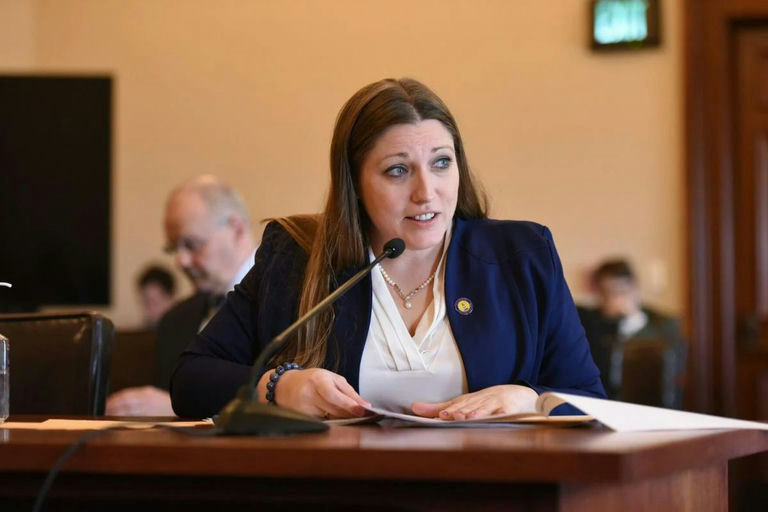
 SPRINGFIELD – Building on Illinois’ commitment to tackling the climate crisis, State Senator Rachel Ventura introduced new legislation to limit the state’s role in global deforestation, one of the leading drivers of climate change, at a time when shifting global trade dynamics make responsible sourcing more important than ever.
“Illinois has made a serious commitment to reducing our carbon footprint through the Climate and Equitable Jobs Act,” said Ventura (D-Joliet). “Now, we must ensure our state’s purchasing power reflects those commitments. As tariffs and trade pressures reshape global supply chains, this is the right moment to prioritize sustainable, deforestation-free sourcing that protects both our climate and our economy.”
Forests play a critical role in absorbing carbon pollution, regulating temperatures, and safeguarding ecosystems. When forests are destroyed, massive amounts of carbon are released into the atmosphere, accelerating climate change and undermining global climate goals.
SB 2157 would align Illinois’ procurement policies with the state’s climate and conservation priorities by ensuring state-funded purchases of key commodities—such as beef and cocoa—come only from sustainable, deforestation-free sources. By acting now, the legislation helps Illinois adapt to evolving trade conditions while reducing the state’s contribution to global forest loss. SB 2157 has an identical version in the House, HB 3797, sponsored by State Representative Daniel Didech.
“Promoting sustainable land-use practices is an important economic priority for Illinois. Responsibly managed forests provide meaningful environmental benefits while supporting long-term economic stability,” said Didech (D-Buffalo Grove). “This legislation positions Illinois to be a global leader in promoting sustainable forest management, while supporting local Illinois businesses that depend on responsibly sourced materials. By investing in thoughtful, forward-looking practices, we are strengthening our economy and ensuring these resources remain available for future generations.”
SB 2157 is currently awaiting assignment to a Senate committee.