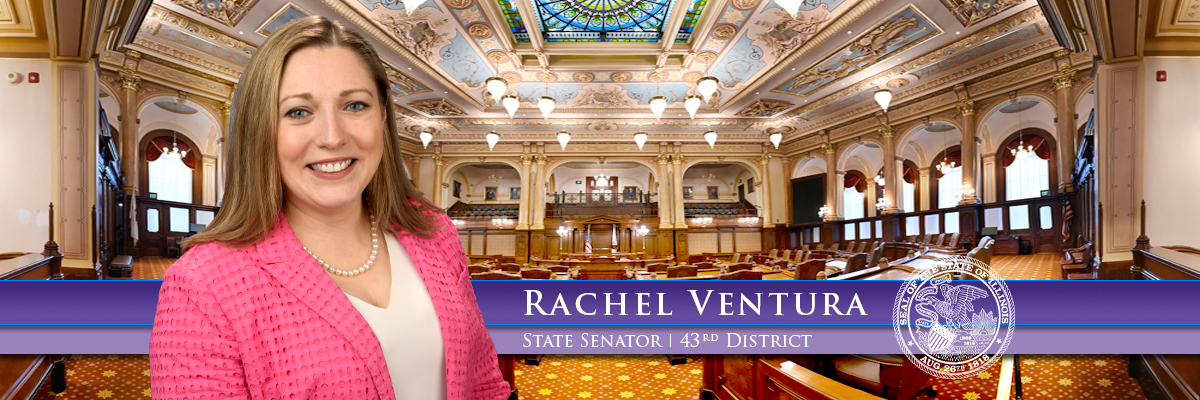
Welcome to Senator Rachel Ventura's Legislative Website
Ventura highlights expanded manufacturing investment in Will County
- Details
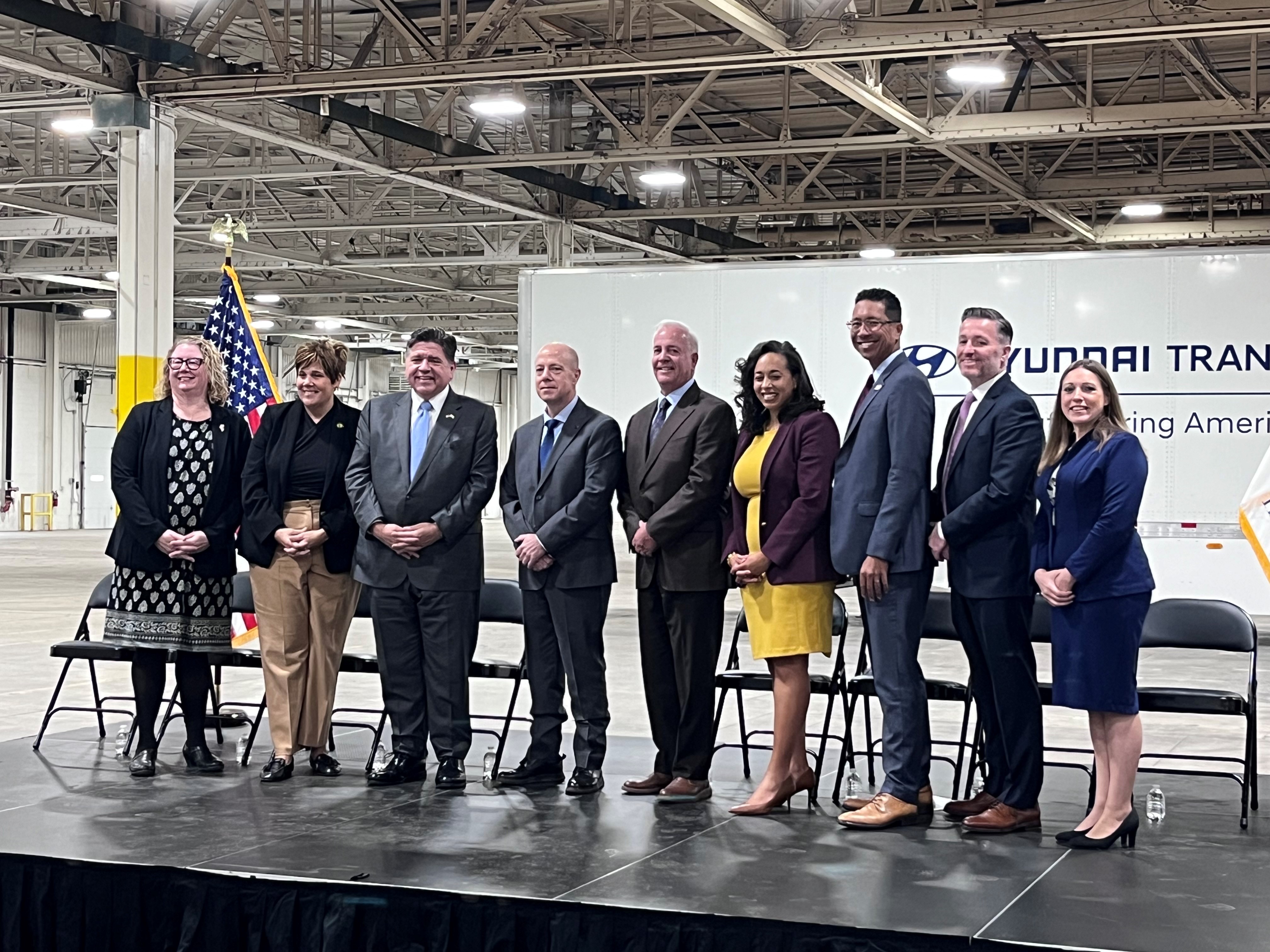
JOLIET – State Senator Rachel Ventura announced that Hyundai Translead is expanding its planned investment in Will County – creating a total of 3,750 new full-time jobs and investing $600 million. The State is also investing in a new Manufacturing Training Academy (MTA) at Joliet Junior College (JJC).
“Joliet is the heartbeat of industry in Will County and the state of Illinois, and this new Hyundai Translead facility will bring jobs and bolster economic growth in the 43rd District and surrounding communities,” said Ventura (D-Joliet). “This investment proves we are a premier manufacturing destination and demonstrates a commitment to fostering relationships that promote economic development in our communities.”
Ventura secures funding for not-for-profit organizations promoting the arts
- Details
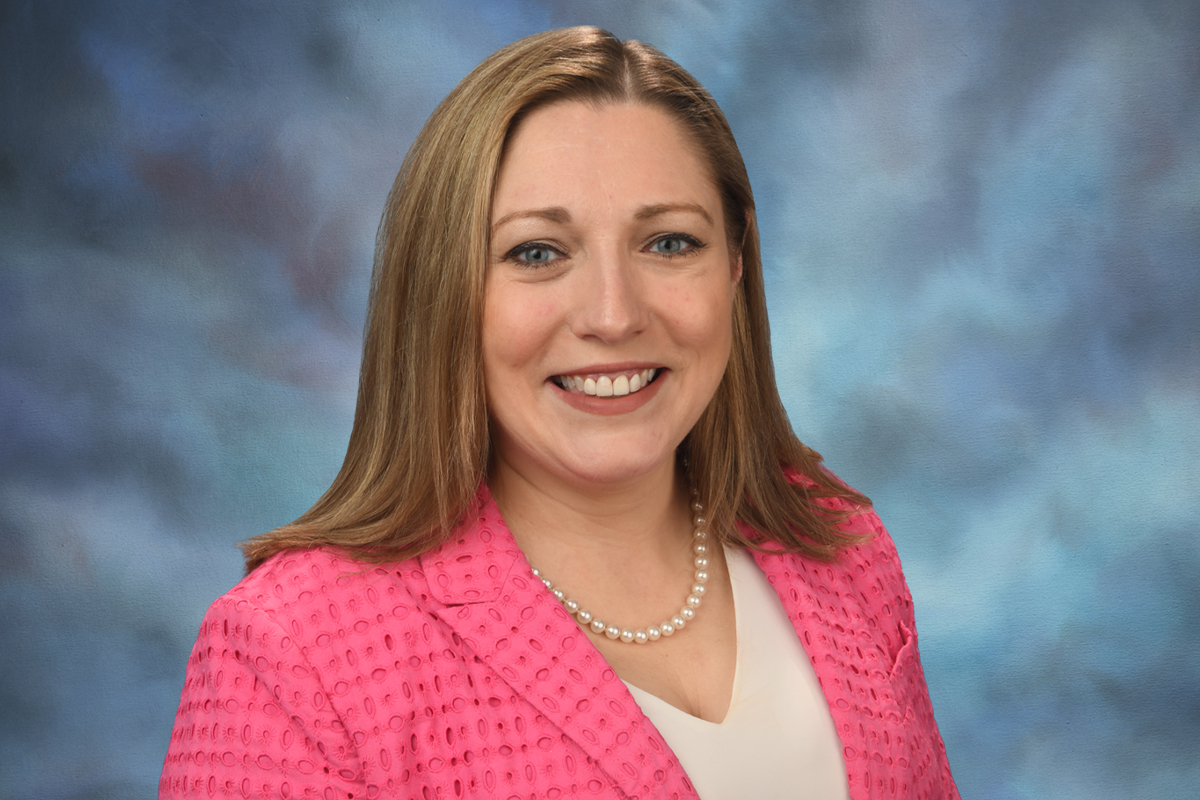
JOLIET – State Senator Rachel Ventura secured funds for local not-for-profits that provide arts programming from the Illinois Arts Council. In total, over $86,848 was awarded to 10 organizations in the 43rd District.
“Our communities prosper when we have strong arts programs that serve everyone,” said Ventura (D-Joliet). “These funds will be used for a variety of purposes, but all have the same goal: strengthening of the arts. The arts are the foundation of our community and I applaud these grantees who are doing the work to ensure the arts continue thrive.”
Ventura hosts successful grant workshop
- Details
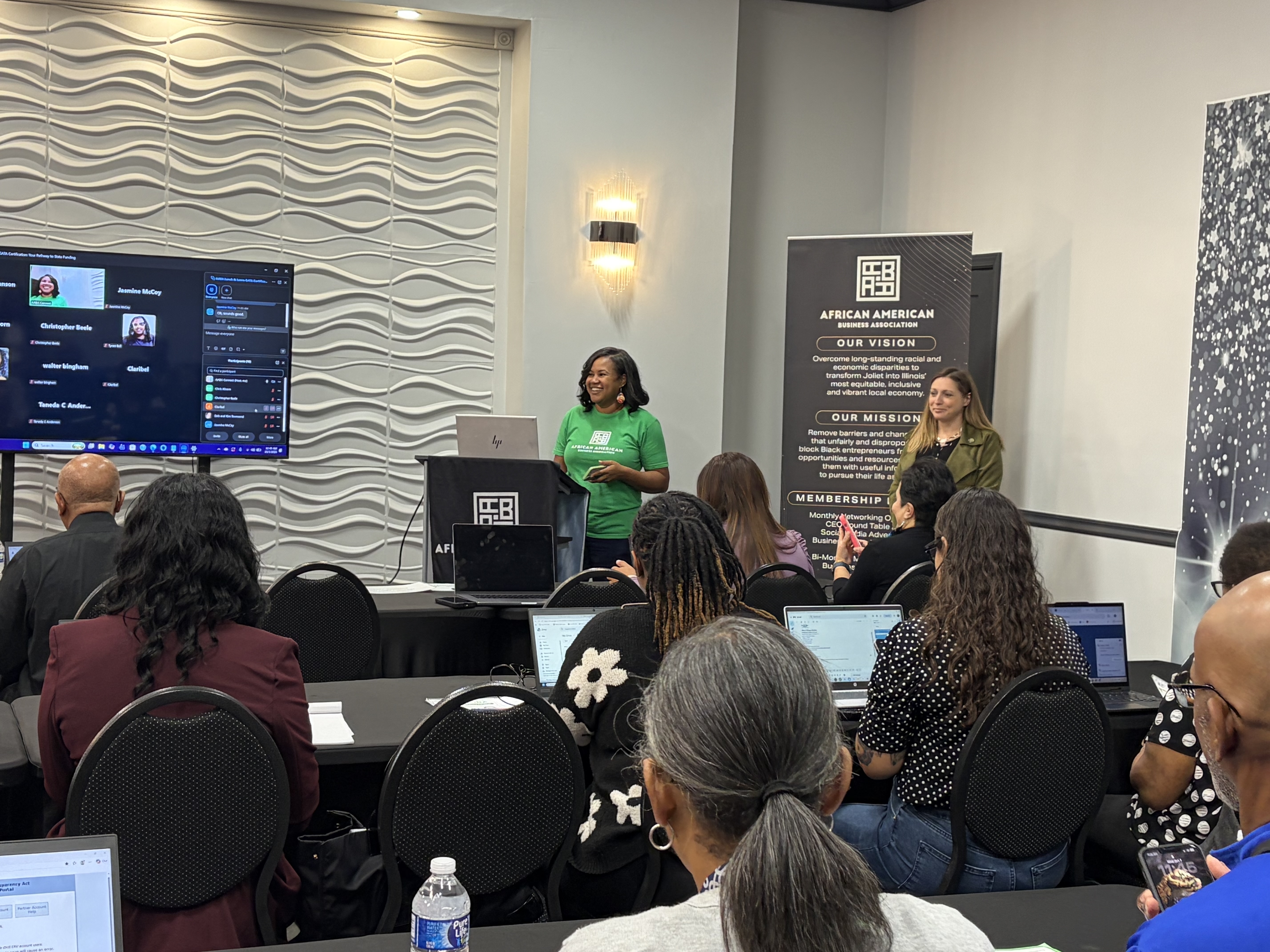
JOLIET – On Wednesday, Oct. 7, State Senator Rachel Ventura co-hosted an event with the Illinois Criminal Justice Information Agency (ICJIA) and the African American Business Association of Will County designed to help local organizations become familiar with the process of becoming eligible for state grants.
“This workshop provided local governments and community organizations the resources and skills to apply for competitive state grants and ensure we continue to invest in our communities,” said Ventura (D-Joliet). “I want to extend my appreciation to the Illinois Criminal Justice Information Agency and the African American Business Association of Will County for their partnership and support of local organizations through the GATA certification process and I am looking forward to hosting similar events again in the future.”
Ventura announces funding opportunity for local fire departments
- Details
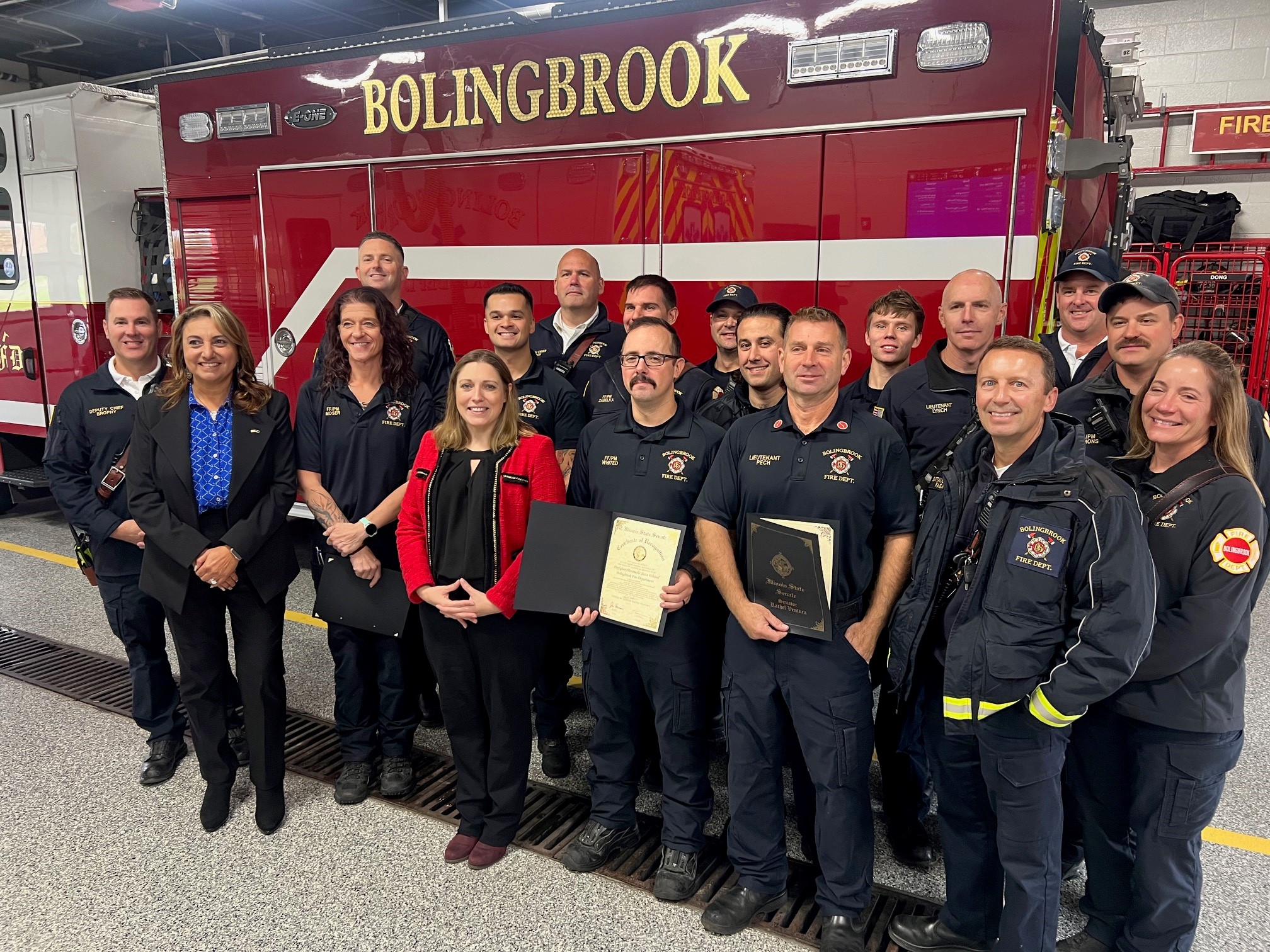
JOLIET – State Senator Rachel Ventura announced that applications are now being accepted for the Small Equipment Grant Program benefiting fire departments and ambulance services.
“Keeping our fire departments adequately prepared with the essential tools and resources is crucial,” said Ventura (D-Joliet). “Fire departments play a critical role in the protection of our communities, and this funding will ensure they can effectively do their jobs.”
More Articles …
Page 1 of 75
Welcome
Dear Friends,
Thank you for visiting my legislative website. It is my honor to serve the citizens of the 43rd Senate District in the Illinois General Assembly. On this website, you can learn a little bit about me, my record in the General Assembly, and the services I can provide you.
I always welcome feedback from my constituents, so if you have any questions, concerns, or ideas, please do not hesitate to contact me.
Sincerely,

Senator Rachel Ventura
Enewsletter Sign-up




Follow Sen. Ventura


Office Info
District Office:
221 Springfield Ave., Unit 3
Joliet, IL 60435
(331) 290-0443
(815) 240-9057 [TEXT]
Springfield Office:
119B Capitol Building
Springfield, IL 62706
(217) 782-8800